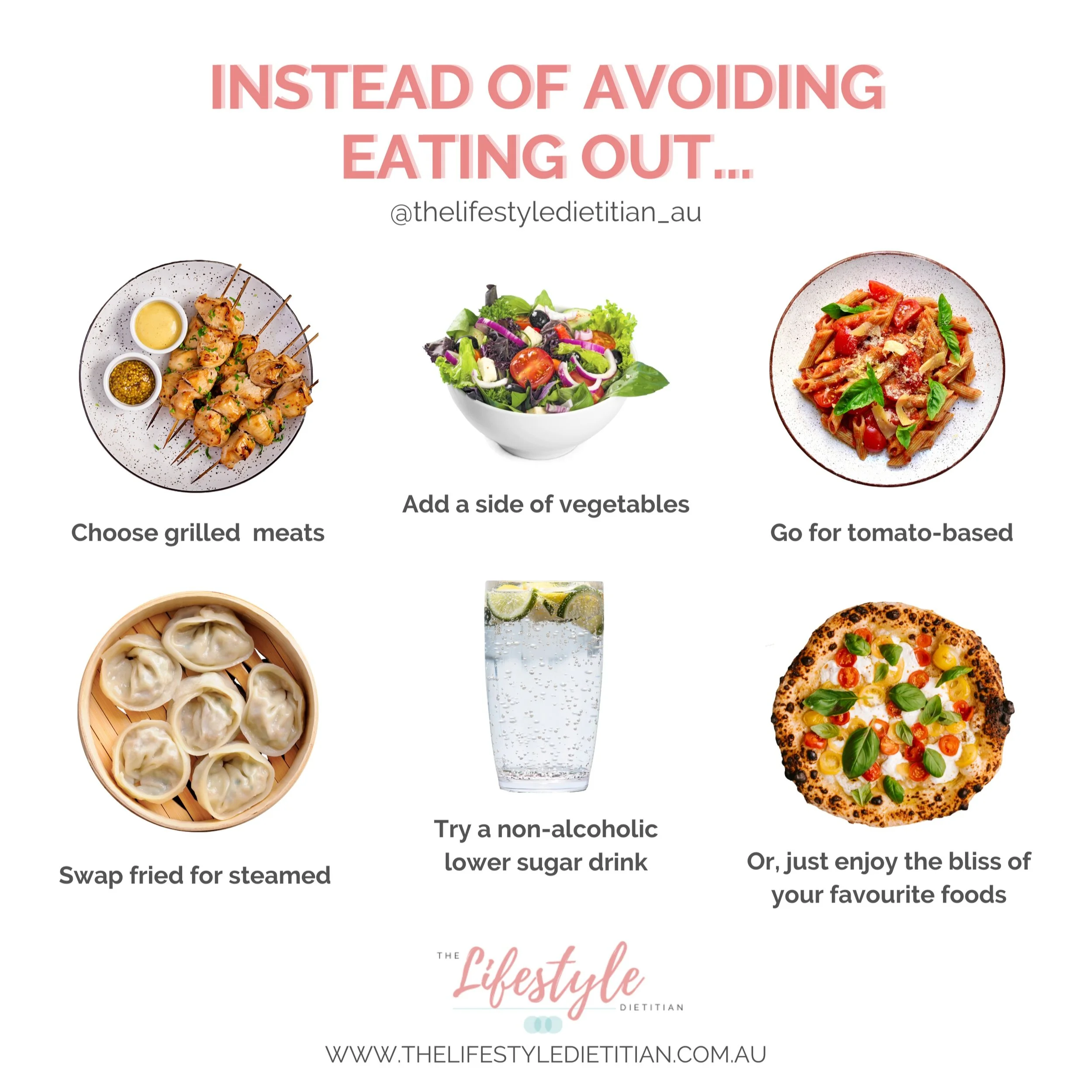
How to Enjoy Food and Still Stay Healthy
Food is one of life’s great pleasures. It brings people together, celebrates culture, and adds comfort to daily routines. Many people worry that staying healthy means giving up their favorite meals or constantly restricting what they eat. In reality, enjoying food and maintaining a healthy lifestyle can go hand in hand. With thoughtful habits and a balanced approach, it is possible to appreciate delicious meals while also supporting long-term wellbeing.

Healthy eating does not require perfection. Instead, it focuses on balance and variety. The body benefits when it receives a range of nutrients from different foods. Fruits, vegetables, whole grains, proteins, and healthy fats each contribute something valuable. When meals include a mix of these elements, they tend to be both satisfying and nourishing. Variety also keeps eating interesting, which makes healthy habits easier to maintain over time.
One important part of enjoying food while staying healthy is learning to listen to the body’s natural signals. Hunger and fullness cues help guide when and how much to eat. Taking time to notice these signals can help people eat comfortably without feeling overly full or unsatisfied. Eating slowly allows the body enough time to recognize when it has had enough, which can prevent mindless overeating while still allowing full enjoyment of the meal.
Mindful eating is another helpful habit. This means paying attention to the experience of eating rather than rushing through meals. When people focus on the aroma, texture, and flavor of their food, the meal often feels more satisfying. Simple actions such as sitting down at the table, taking smaller bites, and chewing thoroughly can make a big difference in how enjoyable a meal feels. Mindful eating encourages appreciation for food and can support healthier portions naturally.
Cooking at home can also make it easier to enjoy food in a balanced way. Home cooking allows individuals to choose ingredients that match their tastes and preferences while keeping meals wholesome. Fresh vegetables, lean proteins, whole grains, herbs, and spices can be combined in countless ways to create flavorful dishes. Preparing food at home also offers an opportunity to experiment with recipes and discover new favorite meals that are both enjoyable and nourishing.
At the same time, healthy eating does not mean avoiding treats forever. Occasional indulgences are a normal part of a balanced lifestyle. Favorite desserts or comfort foods can still fit into a healthy routine when enjoyed in moderation. Allowing space for these foods helps prevent feelings of deprivation and makes it easier to maintain a positive relationship with eating. When people know they can occasionally enjoy a treat, they often feel more relaxed and satisfied with their overall habits.
Portion awareness is another simple strategy that supports both enjoyment and health. Larger portions can sometimes lead people to eat more than they intended. Serving reasonable portions makes it easier to enjoy satisfying flavors without going beyond what the body needs. If someone is still hungry after finishing a meal, adding more vegetables, whole grains, or protein can help create a balanced and filling plate.
Choosing foods that provide lasting energy also helps people feel good throughout the day. Meals that include fiber, protein, and healthy fats tend to keep hunger steady for longer periods. For example, whole grains paired with vegetables and a source of protein often provide steady energy and satisfying flavor. These types of meals can prevent the sudden hunger that sometimes leads to less balanced food choices later.
Another helpful habit is keeping mealtime enjoyable and relaxed. Stressful or rushed eating can make it harder to appreciate food. Taking time for meals, even if only for a few minutes, can turn eating into a pleasant break in the day. Sharing meals with family or friends can make the experience even more enjoyable. Conversation and connection often encourage slower eating and greater appreciation for the food being served.
Exploring new ingredients and cooking styles can also make healthy eating more exciting. Trying seasonal produce, international flavors, or different cooking techniques introduces variety into everyday meals. Roasting vegetables, grilling lean proteins, or adding fresh herbs can transform simple dishes into something special. When meals are interesting and flavorful, it becomes much easier to maintain healthy habits.
Hydration also supports overall wellbeing and enjoyment of food. Drinking enough water throughout the day helps the body function smoothly and may support balanced appetite. Sometimes thirst can be mistaken for hunger, so staying hydrated helps maintain awareness of the body’s true needs. Water, herbal teas, and other low sugar beverages can all contribute to healthy hydration.
Planning meals in advance can help people maintain balance without feeling restricted. When healthy ingredients are available at home, it becomes easier to prepare satisfying meals without relying heavily on convenience foods. Simple planning might include preparing ingredients ahead of time, cooking extra portions for later meals, or keeping healthy snacks within reach. These small habits make healthy eating more convenient and enjoyable.
Positive thinking around food is also important. Instead of viewing certain foods as strictly good or bad, it can be more helpful to think about balance and overall patterns. Most people benefit from focusing on the big picture rather than worrying about a single meal. A balanced approach across days and weeks allows room for flexibility while still supporting healthy routines.
Physical activity can also complement healthy eating habits. Moving the body regularly supports overall wellness and can enhance the enjoyment of food. When people stay active, they often feel more connected to their body’s needs and energy levels. Activity does not need to be intense to be beneficial. Walking, stretching, dancing, or participating in recreational sports can all contribute to a balanced lifestyle.
Another way to maintain enjoyment is by celebrating food traditions. Cultural dishes, family recipes, and seasonal meals often carry special meaning. Preparing these foods with fresh ingredients and balanced portions allows people to honor tradition while still supporting their health. These meals often bring joy and connection, which are valuable parts of overall wellbeing.
Learning to enjoy food while staying healthy is a journey rather than a strict set of rules. Everyone’s preferences, lifestyles, and needs are different. What matters most is finding habits that feel sustainable and enjoyable over time. By focusing on balance, mindfulness, and variety, it becomes possible to enjoy flavorful meals without sacrificing health.
In the end, food should nourish both the body and the spirit. Healthy eating does not mean giving up pleasure or creativity in the kitchen. Instead, it invites people to explore ingredients, savor flavors, and build routines that support lasting wellbeing. With a thoughtful approach, enjoying food and staying healthy can become a natural and rewarding part of everyday life.