Reducing Salt Intake the Easy Way
Many people enjoy the taste of salty foods, and salt has long been a familiar ingredient in kitchens around the world. It enhances flavor, preserves foods, and plays a role in many traditional recipes. However, modern eating habits often include more salt than the body needs. Learning how to reduce salt intake can support overall wellness, and the good news is that it can be done in simple, practical ways without sacrificing the enjoyment of food.
Salt contains sodium, a mineral that the body needs in small amounts to support important functions such as fluid balance and nerve signaling. The challenge arises when daily meals contain more sodium than recommended. Highly processed foods, packaged snacks, restaurant meals, and convenience items often contain hidden salt that quickly adds up during the day. By making a few thoughtful adjustments, anyone can gradually lower their salt intake while still enjoying satisfying meals.
One of the easiest ways to begin reducing salt is to cook more meals at home. Home cooking gives people greater control over the ingredients they use. When preparing meals from scratch, it becomes easier to adjust seasoning levels and experiment with alternative flavors. Even simple dishes such as rice, soups, and stir-fries can taste delicious with less salt when prepared with fresh ingredients and aromatic herbs.
Another helpful strategy is to become more familiar with food labels. Many packaged foods include sodium information on their nutrition labels. Taking a moment to compare products can reveal surprising differences. Two similar items may contain very different sodium levels, and choosing the lower option can make a meaningful difference over time. This small habit gradually builds awareness and encourages smarter food choices.
Gradual reduction is often more comfortable than sudden changes. Taste preferences adapt slowly, and reducing salt little by little allows the palate to adjust naturally. For example, someone who usually adds a full teaspoon of salt to a recipe might begin by using three quarters of that amount. After a few weeks, the reduction may go unnoticed as the taste buds adapt to the lighter flavor.
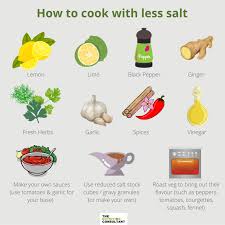
Exploring herbs and spices is one of the most enjoyable ways to replace extra salt. Garlic, ginger, basil, cilantro, turmeric, cumin, black pepper, and many other seasonings can add depth and character to meals. Citrus juices, such as lemon or lime, also brighten flavors without increasing sodium. Vinegar, tomatoes, onions, and fresh herbs can transform simple dishes into flavorful meals that rely less on salt.
Fresh foods naturally contain less sodium than many processed alternatives. Fruits, vegetables, whole grains, legumes, nuts, and fresh proteins are excellent choices for balanced meals. These ingredients provide natural flavor, texture, and nourishment. When meals are built around fresh ingredients, the need for heavy seasoning often decreases because the ingredients themselves bring out rich flavors.
Another easy adjustment involves rinsing certain canned foods. Canned beans, vegetables, and other preserved items sometimes contain added salt for flavor and preservation. A quick rinse under clean water can remove some of the excess sodium while still keeping the convenience of canned foods. This simple habit allows people to enjoy convenient ingredients while managing salt intake more effectively.
Dining out is a common part of modern life, and it can still fit into a balanced approach to salt intake. Restaurant meals are sometimes seasoned generously, but there are ways to make thoughtful choices. Choosing grilled, steamed, or lightly sautéed dishes instead of heavily sauced items can help limit sodium. Requesting sauces on the side allows diners to control how much is added to their meal.
Snacks are another area where hidden salt often appears. Many popular snack foods contain significant amounts of sodium, especially chips, crackers, and processed snack mixes. Replacing some of these options with fresh fruit, unsalted nuts, yogurt, or homemade snacks can reduce overall salt consumption. These alternatives often provide more balanced nourishment while still satisfying hunger between meals.
Taste perception can also change when people become more aware of the natural flavors in food. Vegetables, grains, and proteins each have their own subtle taste profiles. When meals rely less on salt, these natural flavors become easier to notice and appreciate. Over time, many people discover that foods they once considered bland actually have a pleasant and satisfying taste on their own.
Planning meals ahead of time can also support lower salt intake. When people plan what they will eat during the week, they are less likely to rely on packaged convenience foods that tend to be higher in sodium. Simple meal planning does not need to be complicated. Preparing larger batches of soups, grains, or vegetables in advance can make daily cooking easier while keeping ingredients under control.
Another helpful approach is to pay attention to condiments. Soy sauce, ketchup, salad dressings, and other flavor enhancers can contain substantial sodium. Using these items sparingly or choosing reduced-sodium versions can make a noticeable difference. In some cases, homemade dressings made with olive oil, vinegar, herbs, and spices provide fresh flavor with less salt.
Family cooking habits can also influence daily salt intake. When households adopt a shared approach to balanced seasoning, everyone benefits from healthier patterns. Cooking together, experimenting with herbs and spices, and tasting food before automatically adding salt can help build lasting habits that support better eating routines.
Hydration may also play a role in maintaining balanced eating patterns. Drinking enough water throughout the day supports the body’s natural processes and can reduce the desire for overly salty snacks. Sometimes people reach for salty foods simply out of habit or thirst, so staying well hydrated can help maintain balance.
It is also important to remember that enjoying food is part of a healthy lifestyle. Reducing salt does not mean removing flavor or pleasure from meals. Instead, it encourages creativity in the kitchen and a deeper appreciation for natural ingredients. Over time, many people discover that foods with moderate seasoning taste more vibrant and enjoyable.
Small changes often lead to lasting results. Choosing fresh ingredients, reading labels, experimenting with herbs, and gradually reducing added salt can all contribute to better eating habits. These steps are simple, practical, and easy to incorporate into everyday routines.
Reducing salt intake the easy way is not about strict rules or sudden restrictions. It is about making thoughtful choices that support balanced eating while still enjoying delicious meals. By focusing on natural flavors, cooking methods, and mindful habits, anyone can create satisfying dishes that rely less on salt and more on the rich variety of ingredients available in everyday cooking.