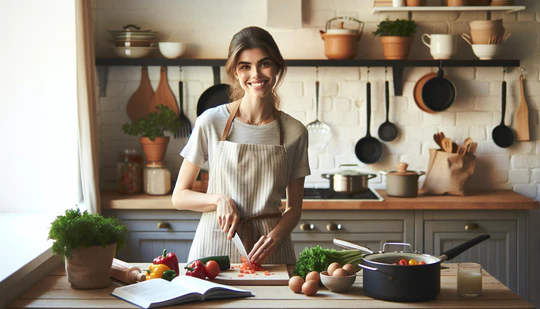
Building Confidence Through Healthy Cooking
Confidence often grows from small achievements in everyday life. One place where many people discover this sense of accomplishment is the kitchen. Cooking healthy meals at home can be a rewarding experience that strengthens both practical skills and personal confidence. With time, patience, and curiosity, anyone can learn to prepare nourishing meals while building a stronger belief in their own abilities.
Healthy cooking does not require professional training or complicated equipment. Many people begin their journey with simple recipes and a few familiar ingredients. As they become more comfortable in the kitchen, they gradually learn how different foods work together, how flavors develop during cooking, and how small adjustments can improve a dish. Each successful meal becomes a reminder that progress is possible through practice and learning.
One of the most powerful aspects of healthy cooking is the sense of control it provides. Preparing meals at home allows individuals to choose the ingredients they use and the way those ingredients are prepared. Fresh vegetables, whole grains, lean proteins, and natural seasonings can be combined in ways that support balanced nutrition. This control over ingredients helps people feel more connected to what they eat and more confident about the choices they make for their wellbeing.
Starting with simple recipes is often the best approach for building confidence. Meals that use basic cooking methods such as steaming, sautéing, roasting, or simmering are usually easy to follow and produce satisfying results. A simple vegetable stir fry, a pot of soup, or a grain bowl with fresh toppings can be both nourishing and delicious. When people see that they can successfully prepare these dishes, their willingness to try new recipes often grows.
Learning to enjoy the process of cooking is another important part of building confidence. Instead of viewing cooking as a chore, it can be seen as a creative activity. Choosing ingredients, experimenting with flavors, and adjusting recipes according to personal taste allows people to express themselves in the kitchen. This creative element makes cooking more enjoyable and encourages continued learning.
Mistakes are also a natural part of learning to cook. Sometimes a dish may turn out a little too salty, slightly overcooked, or not quite as flavorful as expected. These experiences are not failures but opportunities to learn. Over time, cooks begin to understand how small changes affect the final result. This learning process strengthens problem solving skills and builds resilience, which contributes to greater confidence.
Healthy cooking also encourages mindfulness. When people take time to prepare food, they become more aware of ingredients, textures, and aromas. Chopping vegetables, stirring a pot, or seasoning a dish invites attention to the present moment. This awareness often leads to a deeper appreciation for the effort that goes into creating a meal. As a result, both the cooking process and the final dish become more satisfying.
Sharing home cooked meals with others can further strengthen confidence. Preparing food for family members or friends is a meaningful way to show care and hospitality. When people enjoy a meal that someone has prepared, their positive reactions often encourage the cook to keep learning and improving. These shared experiences create warm memories and help reinforce the value of home cooking.
Another benefit of healthy cooking is the opportunity to develop practical life skills. Planning meals, shopping for ingredients, and organizing kitchen tasks all require thoughtful decision making. These skills extend beyond cooking and support a more organized daily routine. As individuals become more comfortable managing these responsibilities, their confidence in handling everyday challenges often grows as well.
Healthy cooking also encourages exploration of different foods and cultures. Many cuisines around the world emphasize fresh ingredients, balanced flavors, and traditional cooking techniques. Trying recipes inspired by different cultures introduces new ingredients and cooking styles. This exploration keeps cooking interesting and expands knowledge about global food traditions.
Over time, cooks often begin to rely less on strict recipes and more on their own judgment. They learn to adjust seasoning, substitute ingredients, and combine flavors based on experience. This flexibility is a sign of growing confidence in the kitchen. When someone realizes they can create a meal even without following exact instructions, cooking becomes less intimidating and more enjoyable.
Keeping the kitchen environment welcoming can also support confidence. A clean workspace, organized ingredients, and good lighting make cooking feel more comfortable. Playing soft music or cooking with family members can turn meal preparation into a pleasant part of the day. When the kitchen feels like a positive space, people are more likely to spend time there and continue developing their skills.
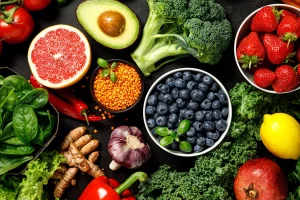
Healthy cooking can also inspire healthier eating habits overall. When individuals prepare their own meals, they often become more aware of the nutritional value of their ingredients. They may choose to include more vegetables, whole grains, and fresh foods in their dishes. This awareness supports balanced eating patterns and contributes to overall wellbeing.
Another important element of building confidence through cooking is patience. Skills develop gradually, and each step in the learning process matters. Even experienced cooks continue to learn new techniques and discover new recipes. Viewing cooking as a lifelong journey rather than a final destination allows people to stay curious and motivated.
Family traditions can also play a meaningful role in building confidence in the kitchen. Many people learn cooking skills from parents, grandparents, or relatives who share their favorite recipes and techniques. Preparing these familiar dishes can create a sense of connection to family history while also strengthening cooking skills. Passing these recipes on to others helps keep traditions alive.
Setting small goals can make the learning process more encouraging. For example, someone might decide to cook one new healthy recipe each week or experiment with a different vegetable. Achieving these small goals builds momentum and makes progress visible. Over time, these small successes combine to create strong cooking skills and lasting confidence.
It is also helpful to remember that healthy cooking does not have to be complicated or time consuming. Even simple meals can be nutritious and satisfying when prepared with care. A bowl of whole grains with roasted vegetables, a hearty vegetable soup, or a fresh salad with a balanced dressing can provide nourishment and flavor. Recognizing the value of simple meals helps people feel successful in their cooking efforts.
Building confidence through healthy cooking is ultimately about developing trust in one’s abilities. Each meal prepared at home is an opportunity to learn something new and celebrate progress. With practice, patience, and a sense of curiosity, cooking becomes more than just a daily task. It becomes a source of pride, creativity, and personal growth.
As individuals continue exploring healthy cooking, they often discover that the kitchen is a place where confidence can flourish. By learning new skills, sharing meals with others, and appreciating the process of preparing food, people gain a deeper sense of capability and self assurance. Healthy cooking not only nourishes the body but also strengthens the confidence needed to approach many other aspects of life with enthusiasm and positivity.