The Benefits of Mindful Eating in Midlife
Midlife is often a time when many people begin paying closer attention to their health and wellbeing. As responsibilities shift and life becomes busier in different ways, maintaining energy, focus, and balance becomes more important than ever. One gentle and effective approach to supporting health during this stage of life is mindful eating. Rather than focusing on strict diets or complicated rules, mindful eating encourages awareness, appreciation, and a more thoughtful relationship with food.
Mindful eating is the practice of paying attention to the experience of eating with intention and without judgment. It involves noticing the flavors, textures, and aromas of food while also being aware of hunger and fullness cues. This approach can transform everyday meals into opportunities for nourishment, reflection, and enjoyment. For individuals in midlife, mindful eating offers several valuable benefits that support both physical and emotional wellbeing.
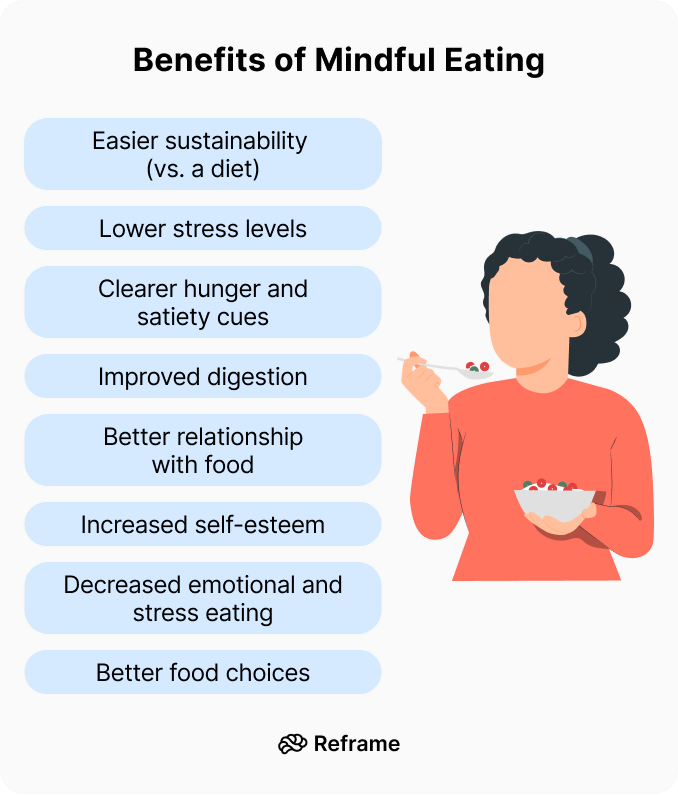
One of the most meaningful benefits of mindful eating is improved awareness of hunger and fullness signals. Over the years, busy schedules and habits such as eating while working, driving, or watching television can make it easy to ignore these natural signals. Mindful eating helps reconnect people with their body’s cues. When individuals slow down and pay attention while eating, they often find it easier to recognize when they are comfortably satisfied rather than overly full. This simple awareness can help support balanced eating habits over time.
Another important advantage is improved digestion. Eating quickly or while distracted can sometimes lead to discomfort such as bloating or indigestion. Mindful eating encourages slower meals, thorough chewing, and a relaxed environment. These habits allow the digestive system to work more smoothly. When food is eaten slowly and with attention, the body has more time to process it effectively, which can contribute to a more comfortable eating experience.
Mindful eating can also help people reconnect with the enjoyment of food. In midlife, daily routines often become predictable, and meals may sometimes feel rushed or repetitive. By slowing down and focusing on the sensory aspects of eating, individuals can rediscover the pleasure of flavors, aromas, and textures. A simple meal can feel more satisfying when it is experienced fully. This sense of appreciation can lead to greater satisfaction from smaller portions and a deeper sense of contentment after meals.
Emotional wellbeing is another area where mindful eating can make a positive difference. Many people occasionally eat in response to stress, boredom, or fatigue. This is a common experience and not something to judge harshly. Mindful eating encourages gentle awareness of emotions that arise around food. By noticing these feelings, individuals can better understand their patterns and choose responses that support their overall wellbeing. Sometimes this may still include enjoying a comforting meal, but the choice becomes more intentional rather than automatic.
Midlife can also be a time when people begin to think more seriously about long-term health. Mindful eating supports healthier food choices by encouraging awareness rather than restriction. When people pause to consider how food makes them feel both during and after eating, they often begin to naturally prefer meals that provide steady energy and satisfaction. This may include balanced combinations of vegetables, fruits, whole grains, proteins, and healthy fats. The focus shifts from rules about what should or should not be eaten to a broader understanding of nourishment.
Another benefit of mindful eating is improved energy levels throughout the day. Rapid or distracted eating can sometimes lead to overeating or consuming foods that provide short bursts of energy followed by fatigue. Mindful eating helps individuals recognize which foods leave them feeling energized and which ones may cause sluggishness. Over time, this awareness can guide choices that support consistent energy, making daily tasks feel easier to manage.
Mindful eating can also strengthen family and social connections. Meals have long been an important part of human culture, offering opportunities to gather, talk, and share experiences. When people practice mindful eating together, meals become more than just moments to refuel. They become meaningful times of connection. Conversations flow more easily when devices are set aside and everyone is present in the moment. For many people in midlife who are balancing work, family, and personal responsibilities, these shared moments can bring a sense of warmth and stability.
Developing mindful eating habits does not require dramatic lifestyle changes. Small steps can gradually build this practice into everyday life. One helpful approach is to begin meals with a brief pause. Taking a moment to notice the appearance and aroma of food can create a sense of appreciation before the first bite. Another helpful habit is to eat more slowly by chewing thoroughly and placing utensils down between bites. These simple actions naturally create space for awareness.
Limiting distractions can also support mindful eating. While it is common to eat while scrolling through phones or watching television, setting aside a few meals each week to focus fully on eating can make a noticeable difference. During these meals, attention can be directed toward the sensory experience of food as well as the body’s signals of hunger and satisfaction.
Another gentle practice involves checking in with hunger levels before eating. Instead of automatically reaching for food at certain times, individuals can ask themselves how hungry they feel and what type of nourishment might feel satisfying. This approach encourages a more responsive relationship with eating rather than relying entirely on habit or routine.
It is important to remember that mindful eating is not about perfection. Some meals will still be rushed, and that is a normal part of life. The goal is simply to create more moments of awareness and appreciation over time. Even practicing mindful eating during one meal each day can gradually strengthen the habit.
For many people in midlife, this approach offers a refreshing alternative to strict diets and complicated food rules. Mindful eating invites individuals to trust their bodies, appreciate the experience of food, and cultivate habits that support both enjoyment and wellbeing. By bringing attention to everyday meals, people often discover that nourishing their bodies can also nourish their sense of balance and calm.
In the long term, mindful eating can become a steady foundation for a healthier lifestyle. It supports thoughtful food choices, encourages better digestion, and promotes emotional awareness around eating. Perhaps most importantly, it helps transform meals from rushed routines into meaningful moments of care and connection.
Midlife is an ideal time to explore practices that support long-term wellbeing. Mindful eating offers a gentle and sustainable path toward better health, greater enjoyment of food, and a deeper understanding of the body’s needs. By simply slowing down and paying attention during meals, individuals can experience the many benefits that come from eating with awareness and intention.