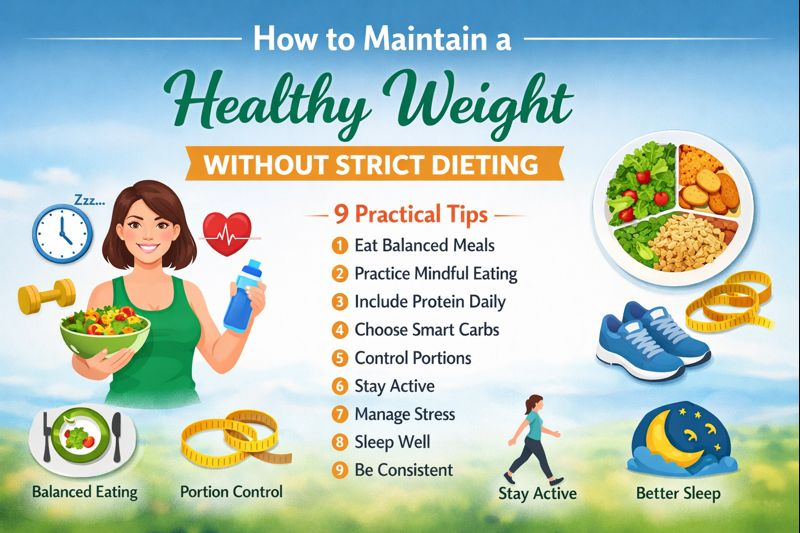
How to Stay Healthy Without Strict Rules
Many people believe that staying healthy requires strict diets, complicated plans, or constant discipline. While structure can sometimes be helpful, a healthy lifestyle does not need to feel rigid or overwhelming. In fact, many people find that gentle, flexible habits are easier to maintain and lead to lasting wellbeing. Learning how to stay healthy without strict rules can create a more positive and balanced relationship with food, movement, and daily routines.
Health is not defined by a single choice or one perfect day. Instead, it is shaped by consistent habits practiced over time. Small, manageable decisions often have a greater long-term impact than extreme changes that are difficult to sustain. When people focus on simple, supportive habits rather than strict rules, they often feel more relaxed and confident about caring for their wellbeing.
One of the most helpful approaches is to focus on balance instead of restriction. A balanced lifestyle includes a variety of foods that nourish the body while still allowing room for enjoyment. Fruits, vegetables, whole grains, proteins, and healthy fats can all contribute to satisfying meals. When these foods appear regularly in daily meals, they provide important nutrients that support energy and overall wellness.
At the same time, flexibility allows people to enjoy occasional treats without guilt or pressure. Celebrations, family meals, and favorite desserts can still fit into a healthy lifestyle. When people allow themselves to enjoy food in moderation, they often feel less tempted to overindulge later. This balanced approach helps maintain a positive relationship with eating.
Listening to the body’s natural signals is another gentle way to support health without strict rules. Hunger and fullness cues provide helpful guidance about when and how much to eat. Taking time to notice these signals can help people eat comfortably and avoid both overeating and unnecessary restriction. Eating slowly and paying attention to how food tastes and feels can make meals more satisfying while supporting balanced portions.
Mindful eating can strengthen this awareness. When people take a few moments to appreciate the flavors, textures, and aromas of their food, meals often become more enjoyable. Instead of rushing through meals while multitasking, pausing to focus on the experience of eating can create a sense of calm and satisfaction. This mindful approach encourages a healthier connection with food.
Physical activity also plays an important role in maintaining health, and it does not need to follow strict schedules or intense routines. Movement can take many forms, including walking, stretching, cycling, dancing, or participating in recreational activities. The key is finding activities that feel enjoyable and sustainable. When movement is pleasant rather than forced, people are more likely to continue doing it regularly.
Rest and recovery are equally important parts of a balanced lifestyle. Getting enough sleep allows the body and mind to recharge after busy days. A consistent sleep routine, a comfortable sleeping environment, and time to relax before bed can all support better rest. Quality sleep helps improve focus, mood, and overall energy, making it easier to maintain healthy habits during the day.
Stress management is another factor that supports wellbeing without requiring strict rules. Daily life can include responsibilities, deadlines, and unexpected challenges. Finding simple ways to relax can help maintain emotional balance. Activities such as deep breathing, spending time outdoors, reading, or talking with friends can help reduce stress and bring a sense of calm.
Hydration is a small but meaningful habit that supports overall health. Drinking enough water throughout the day helps the body function properly and can support energy levels. Keeping a water bottle nearby can serve as a reminder to stay hydrated during busy schedules. Water, herbal teas, and other low sugar beverages can all contribute to daily fluid intake.
Building routines gradually is often more effective than trying to change everything at once. When people introduce one or two small habits at a time, those habits are more likely to become part of everyday life. For example, adding an extra serving of vegetables to meals, taking a short walk after dinner, or preparing home cooked meals a few times each week can gradually improve overall wellness.
Another helpful mindset is focusing on progress rather than perfection. Everyone has days when plans change or routines are interrupted. Instead of feeling discouraged, it can be more helpful to return to healthy habits at the next opportunity. This flexible approach encourages consistency without creating pressure or frustration.
Social connections also play a valuable role in maintaining health. Sharing meals with family members, spending time with friends, and participating in community activities can improve emotional wellbeing. Positive relationships often encourage supportive habits and create a sense of belonging that contributes to overall happiness.
Spending time outdoors can also support a healthy lifestyle. Fresh air, natural light, and green spaces often have a calming effect on the mind. Walking in a park, gardening, or simply enjoying time outside can provide both physical movement and mental relaxation. These experiences help people reconnect with their surroundings and feel refreshed.
Cooking at home is another practical way to support balanced health without strict rules. Home cooking allows individuals to choose ingredients that match their preferences while encouraging creativity in the kitchen. Simple meals made with fresh ingredients can be both nourishing and enjoyable. Cooking can also become a relaxing activity that brings a sense of accomplishment.
Developing a positive mindset toward health can make daily habits feel more rewarding. Instead of viewing healthy choices as obligations, it can be helpful to see them as forms of self care. Choosing nourishing foods, staying active, and resting well are ways of supporting both physical and emotional wellbeing.
Personal preferences also matter when creating a balanced lifestyle. Each person has unique tastes, routines, and goals. Some people prefer morning exercise while others enjoy evening walks. Some enjoy cooking elaborate meals while others prefer simple recipes. Respecting these differences allows individuals to build habits that feel natural and sustainable.
Healthy living is not about strict rules or constant monitoring. It is about building a collection of supportive habits that work together to maintain balance. When people approach health with kindness and flexibility, they often feel more motivated and confident in their choices.
Over time, these gentle habits become part of everyday life. Eating nourishing meals, staying active, resting well, and managing stress gradually create a foundation for long term wellbeing. By focusing on balance rather than perfection, it becomes easier to stay healthy while still enjoying the variety and richness of daily life.
Staying healthy without strict rules allows people to live with greater freedom and comfort. Instead of feeling restricted, they can focus on caring for their bodies in ways that feel positive and sustainable. With patience and consistency, this balanced approach can support both physical health and a sense of overall happiness for many years to come.