Midlife is often a time of reflection, growth, and renewed priorities. It can also be a period when many people notice subtle changes in memory, concentration, and mental clarity. While these shifts are a natural part of aging, nutrition plays a powerful role in supporting brain health and maintaining sharp focus. Choosing the right foods can help sustain cognitive performance, stabilize energy levels, and promote overall well-being in a way that feels both practical and enjoyable.
One of the most important foundations for better focus is maintaining stable blood sugar. Foods that cause rapid spikes and crashes in glucose levels can leave you feeling mentally foggy and fatigued. Whole grains such as oats, brown rice, and quinoa are excellent choices because they release energy slowly. This steady supply of fuel helps the brain stay alert throughout the day. Pairing these grains with protein or healthy fats can further enhance their benefits and prevent sudden dips in energy.
Healthy fats are essential for brain function, especially during midlife. The brain is made up of a significant amount of fat, and certain types are particularly beneficial for cognitive health. Omega-3 fatty acids, found in foods like salmon, sardines, walnuts, and flaxseeds, support memory and mental clarity. These fats are known to help maintain the structure of brain cells and may contribute to improved communication between them. Including omega-3-rich foods a few times a week can be a simple yet effective way to support focus.
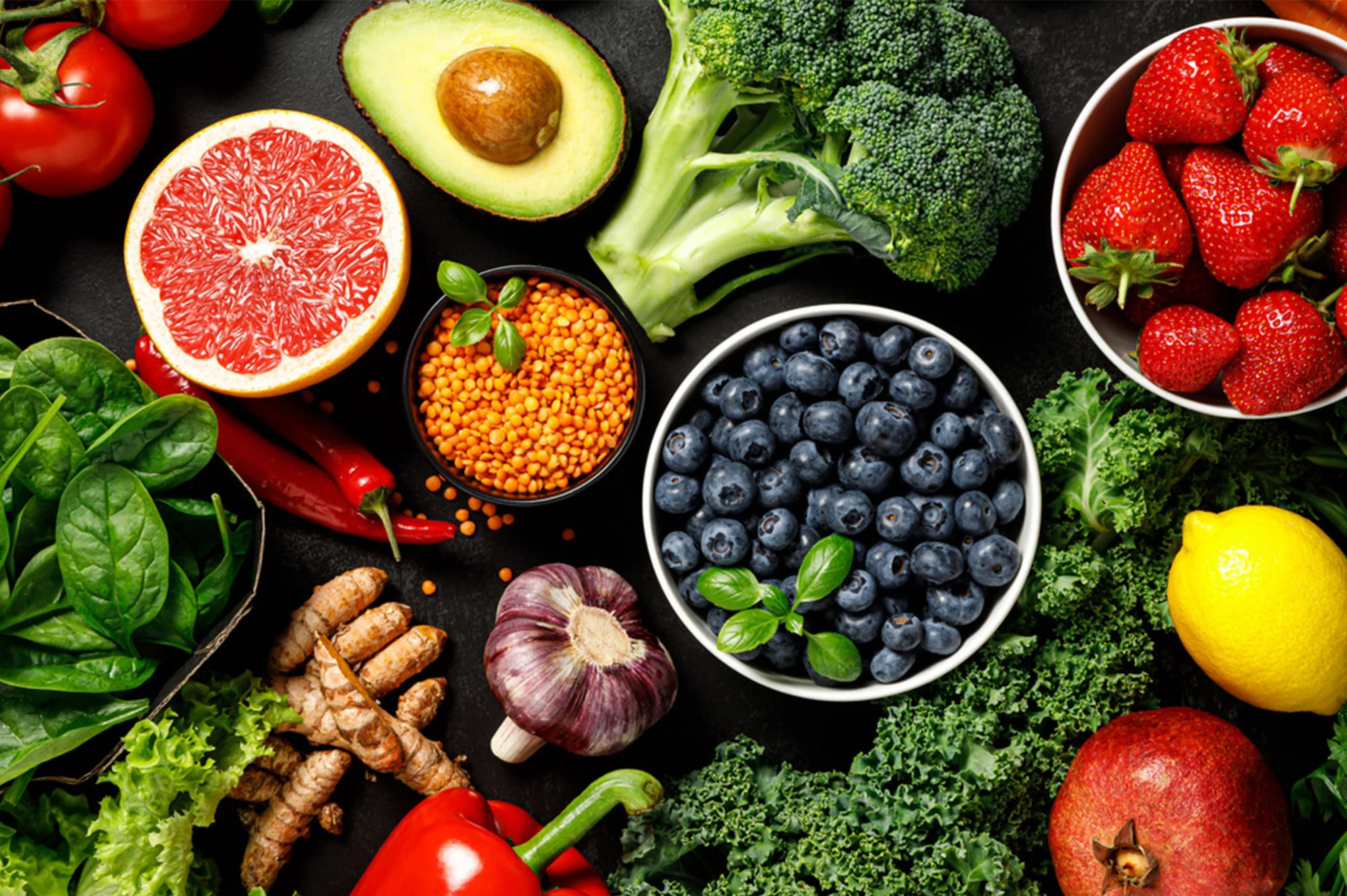
Leafy green vegetables deserve a special place in any brain-supportive diet. Spinach, kale, and similar greens are rich in vitamins, minerals, and antioxidants that protect brain cells from damage. Nutrients like vitamin K, folate, and beta carotene have been associated with slower cognitive decline. Adding a handful of greens to meals, whether in salads, soups, or smoothies, can provide a steady stream of nourishment for the mind.
Berries are another powerful ally for maintaining focus. Blueberries, strawberries, and blackberries are packed with antioxidants that help reduce inflammation and oxidative stress in the brain. These compounds may improve communication between brain cells and enhance memory. Including a serving of berries as a snack or dessert is a simple and enjoyable way to boost cognitive support without feeling restrictive.
Protein also plays a key role in mental performance. It provides amino acids that are necessary for the production of neurotransmitters, which are chemicals that help transmit signals in the brain. Foods like eggs, lean meats, beans, lentils, and yogurt can help sustain attention and reduce mental fatigue. Starting the day with a protein-rich breakfast can set a strong foundation for improved focus and productivity.
Hydration is often overlooked but is critical for maintaining cognitive function. Even mild dehydration can affect concentration, memory, and mood. Drinking enough water throughout the day helps keep the brain functioning efficiently. Herbal teas and water-rich foods such as cucumbers and oranges can also contribute to overall hydration in a gentle and refreshing way.
Nuts and seeds are small but mighty when it comes to supporting focus. Almonds, sunflower seeds, and pumpkin seeds contain a mix of healthy fats, protein, and important nutrients like vitamin E. Vitamin E has been linked to reduced cognitive decline as we age. Keeping a small portion of nuts or seeds on hand as a snack can provide a quick and nourishing boost during busy moments.
Fermented foods are gaining attention for their role in gut health, which is closely connected to brain function. Yogurt, kefir, sauerkraut, and other fermented options contain beneficial bacteria that support a healthy gut microbiome. This connection between the gut and brain can influence mood, clarity, and even memory. Including fermented foods regularly can contribute to a balanced internal environment that supports mental sharpness.
Dark chocolate, when enjoyed in moderation, can also be a helpful addition to a focus-friendly diet. It contains flavonoids, caffeine, and antioxidants that may enhance brain function. A small piece of high-quality dark chocolate can provide a gentle boost in alertness and mood without the intensity of highly caffeinated beverages.
Spices and herbs can add more than just flavor to meals. Turmeric, for example, contains curcumin, a compound that has been studied for its potential to support brain health. Similarly, rosemary has been associated with improved memory and concentration. Incorporating a variety of herbs and spices into cooking can enhance both the taste and the cognitive benefits of meals.
Caffeine, often consumed through coffee or tea, can improve alertness and concentration when used thoughtfully. Green tea is a particularly balanced option because it contains both caffeine and an amino acid called L-theanine, which promotes a calm yet focused state of mind. Moderation is key, as excessive caffeine can lead to restlessness and disrupted sleep, which ultimately affects focus.
Sleep and nutrition are closely linked, and certain foods can support better rest, which in turn enhances focus. Foods rich in magnesium, such as leafy greens, nuts, and seeds, may help promote relaxation. Similarly, foods containing tryptophan, like turkey and dairy products, can support the production of serotonin and melatonin, which regulate sleep patterns.
It is also helpful to consider how meals are structured throughout the day. Eating balanced meals at regular intervals can prevent energy dips and maintain consistent mental performance. Skipping meals or relying heavily on processed snacks can lead to fluctuations in energy and concentration. Planning ahead with simple, nutrient-rich options can make it easier to stay on track.
Midlife is not about strict diets or eliminating entire food groups. Instead, it is an opportunity to build sustainable habits that support both body and mind. Choosing whole, minimally processed foods and enjoying a variety of flavors and textures can make healthy eating feel satisfying rather than restrictive.
Ultimately, improving focus through nutrition is about consistency rather than perfection. Small, gradual changes can have a meaningful impact over time. By incorporating foods that nourish the brain, staying hydrated, and maintaining balanced eating patterns, it is possible to support mental clarity and feel more present in daily life.
This stage of life offers a chance to reconnect with what truly supports well-being. With thoughtful food choices, better focus and sharper thinking can become a natural part of the journey, helping you stay engaged, productive, and confident in the years ahead.